SCHEDULE A CALL
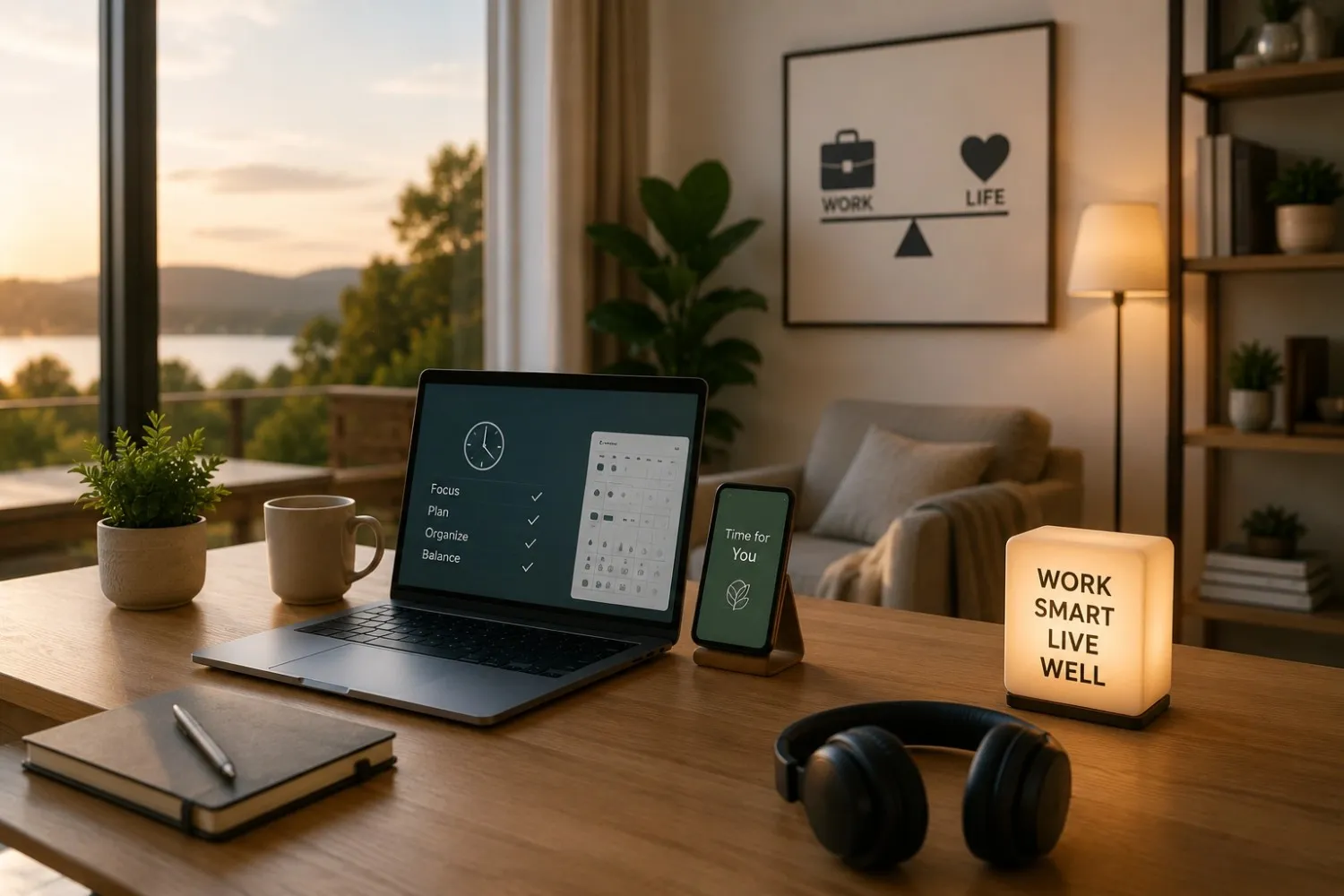

Technology is often blamed for making people work longer. Emails arrive after office hours, smartphones keep employees connected, and collaboration platforms can make it difficult to truly switch off.
But technology can also do the opposite.
When used thoughtfully, digital tools can help people manage their time, reduce repetitive work, work from different locations, and create more flexibility in their daily routines. This is particularly important for software developers, IT professionals, digital workers, business leaders, and other knowledge workers whose jobs increasingly depend on technology.
The real question is not whether technology is good or bad for work-life balance. The more useful question is:
How can people use technology without allowing work to take over their lives?
The answer involves combining smarter tools with better work habits, clear boundaries, and a workplace culture that values sustainable productivity.
Why Work-Life Balance Has Become a Technology Issue
The modern workplace is more connected than ever. A software developer can work with a team in California, attend a meeting with colleagues in Europe, and communicate with a client in Asia without leaving home.
This flexibility creates enormous opportunities, but it also creates a new challenge: work can follow people everywhere.
Research from Pew Research Center found that among US workers whose jobs can be done from home, 43% work from home at least some of the time. Among those who work from home at least sometimes, 73% say their current arrangement helps them balance work and personal life.
These numbers show why technology-enabled flexibility has become an important part of modern professional life.
How Technology Can Improve Work-Life Balance
Remote and Hybrid Work Give People More Flexibility
One of the clearest ways technology supports work-life balance is through remote and hybrid work.
Cloud platforms, video conferencing, project management systems, and secure communication tools allow employees to work effectively without being physically present in the same office.
For many professionals, this can mean:
Less commuting time
Greater control over daily schedules
More time with family
Easier management of personal responsibilities
Greater flexibility around focused work
For US-based technology professionals, this shift is particularly relevant. Gallup research shows that in the tech sector, 47% of remote-capable employees are fully remote and 45% are hybrid, while only 9% are fully on-site.
Remote work is therefore not simply a lifestyle preference. For many technology professionals, it has become part of how work is organized.
Automation Can Give People Their Time Back
Less Repetition, More Meaningful Work
Repetitive tasks can consume a surprising amount of a professional's day.
Software teams may spend time on testing, documentation, reporting, monitoring, data processing, and routine administrative work. AI and automation can handle many of these activities with limited human intervention.
This creates an important lifestyle benefit.
When technology handles repetitive work, employees can dedicate more attention to tasks that require:
Creative thinking
Problem-solving
Strategy
Communication
Decision-making
AI adoption is already becoming common in technology-related workplaces. Gallup found that 77% of US technology employees reported using AI at work in its latest measurement, while frequent AI use in the sector reached 57%.
The goal should not be to make people work faster so they can simply take on more work. The bigger opportunity is to use automation to create more sustainable workloads.
Smart Collaboration Can Reduce Unnecessary Meetings
Asynchronous Work Is Changing Team Communication
Not every question requires a meeting.
Modern collaboration platforms allow teams to share updates, documents, project information, and feedback without requiring everyone to be available at the same moment.
This is especially valuable for global software teams working across different time zones.
Instead of arranging a meeting for every small decision, teams can use:
Shared project boards
Recorded presentations
Digital documentation
Team messaging
Collaborative documents
Automated meeting summaries
This approach can protect uninterrupted working periods and reduce the constant switching between tasks.
For developers and other technical professionals, uninterrupted time is particularly valuable because complex work often requires sustained concentration.
Technology Can Help Protect Focus
The Problem With Constant Notifications
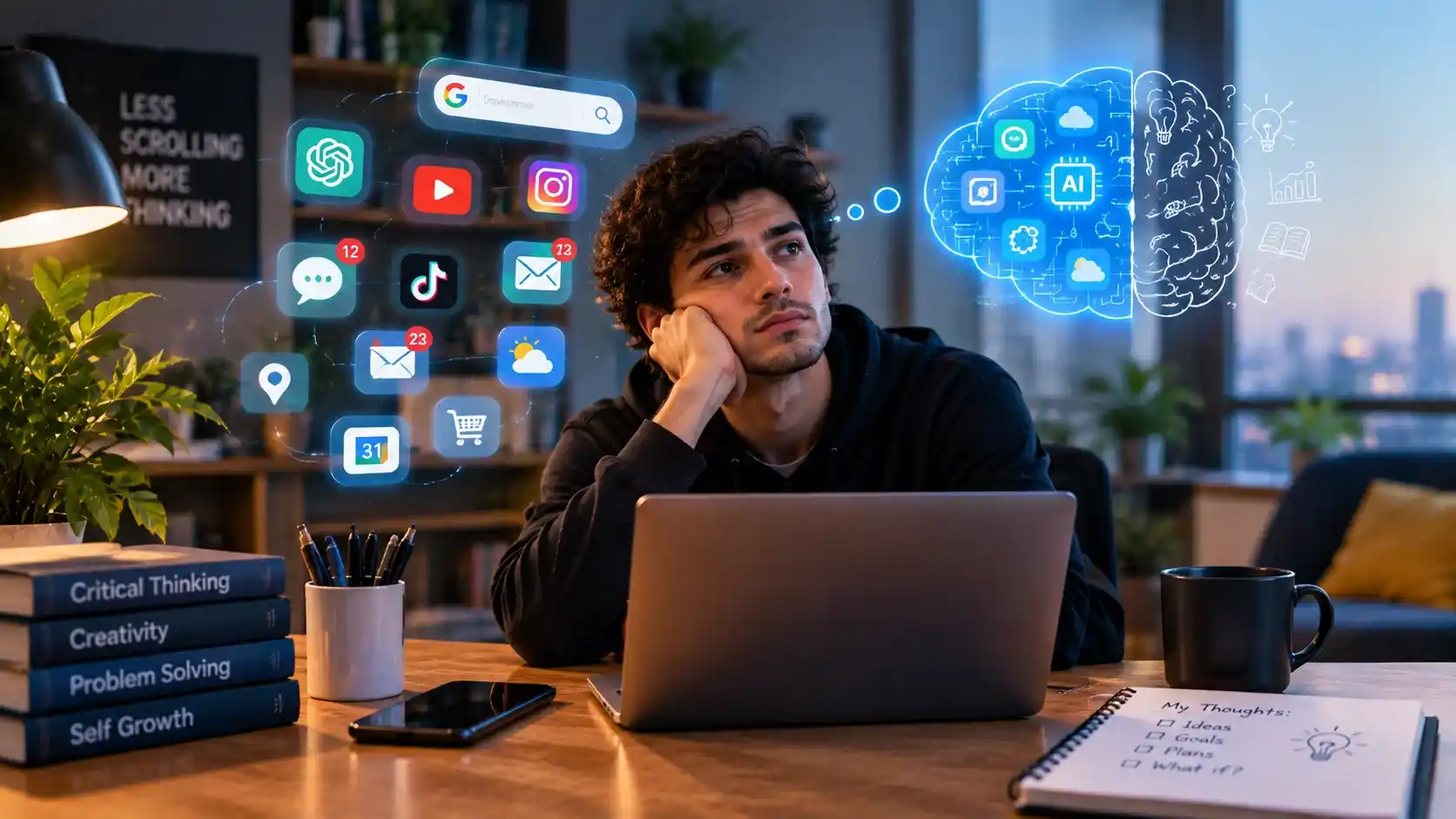
Technology can improve productivity, but poorly managed technology can destroy concentration.
Every notification creates a potential interruption. Emails, instant messages, calendar alerts, social media updates, and application notifications can make a workday feel busy without necessarily making it productive.
A better approach is to make technology work around focused work rather than interrupting it.
Professionals can use:
Focus modes
Notification controls
Calendar blocks
Website blockers
Task management systems
Automated reminders
The objective is simple: reduce digital noise so important work receives more attention.
The Role of Technology in Sustainable Productivity
Productivity Is Not the Same as Being Busy
One of the biggest changes in modern work culture is the growing understanding that productivity should not be measured simply by hours spent online.
A person who spends 10 hours responding to messages may accomplish less than someone who spends 6 focused hours solving important problems.
Technology can support a healthier definition of productivity by helping teams measure outcomes rather than constant activity.
For example, project management systems can make priorities visible without requiring managers to constantly check on employees.
This can create a healthier environment based on trust, accountability, and results.
The Work-Life Balance Challenge of Remote Technology
Technology-enabled flexibility is not automatically a perfect solution.
Pew Research Center found that 49% of US workers who work from home at least sometimes say their arrangement makes it harder to feel connected with coworkers. Additionally, 34% say it hurts their opportunities for workplace mentorship.
This highlights an important point:
Better work-life balance does not mean eliminating human connection.
Software businesses and IT organizations need to create opportunities for collaboration, mentoring, informal conversations, and team relationships alongside flexible working arrangements.
How Businesses Can Use Technology More Responsibly
Build Systems Around People, Not Just Productivity
Businesses should ask whether a technology genuinely improves the employee experience before introducing another platform.
A useful technology strategy should:
Reduce unnecessary manual work
Make communication clearer
Support flexible working
Protect focused work
Give employees reasonable autonomy
Avoid unnecessary monitoring
The objective should be to create an environment where people can perform well without feeling permanently connected to work.
AI and the Future of Work-Life Balance
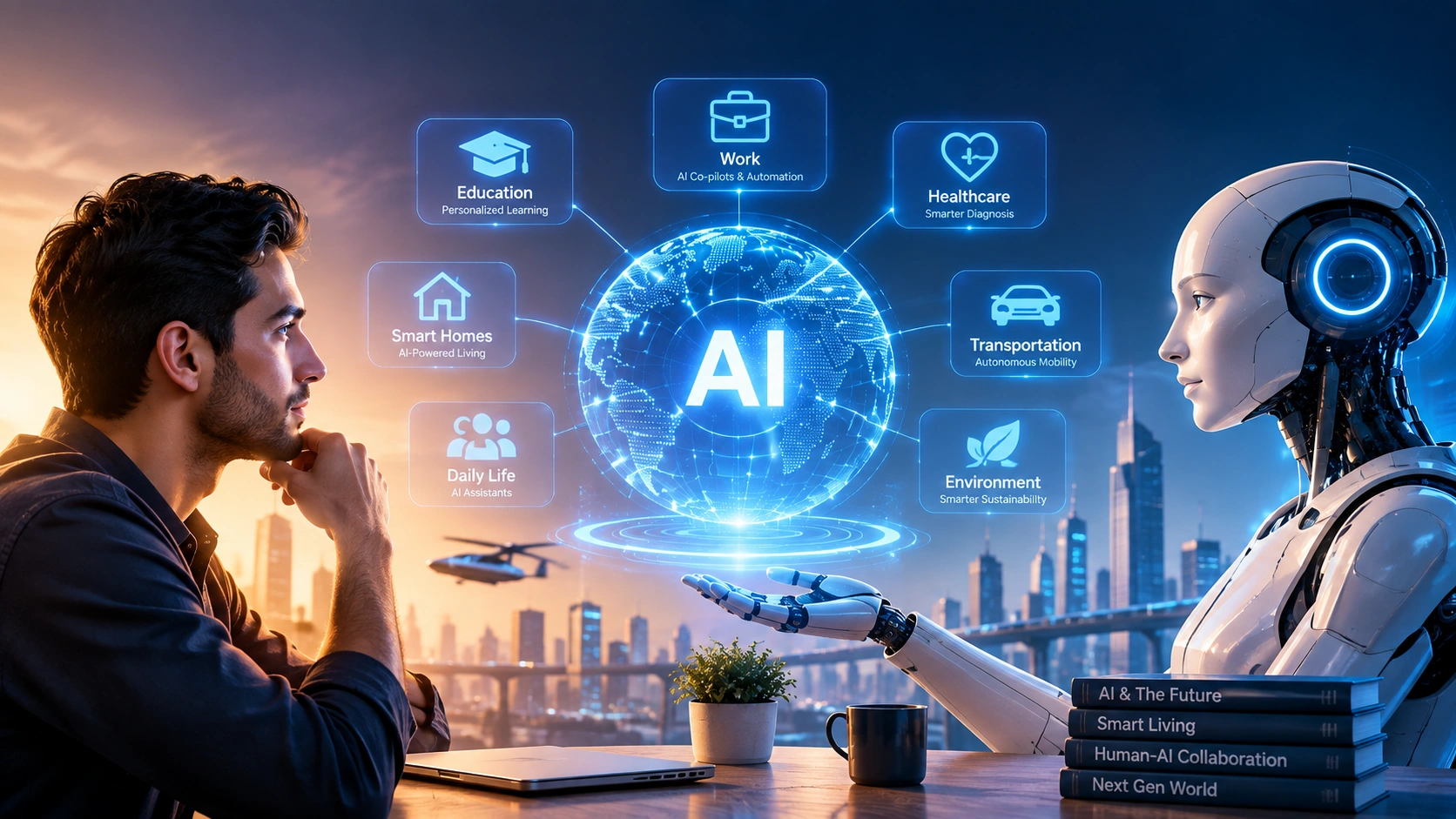
AI could become one of the most important technologies for improving how people manage their work.
Instead of using AI only to increase output, organizations can use it to reduce workload.
For example, AI can assist with:
Summarizing long documents
Organizing information
Drafting routine communications
Automating reports
Finding relevant information
Supporting software testing
Managing repetitive workflows
Research from Gallup shows that AI use among US employees has been increasing, with 45% reporting that they used AI at work at least a few times a year in one of its 2025 measurements.
The long-term value of AI may therefore be measured not only by how much work it helps organizations produce, but also by how much unnecessary work it can remove.
Technology Needs Boundaries
Digital Flexibility Should Not Become Digital Availability
One of the biggest mistakes organizations can make is confusing flexibility with permanent availability.
Employees may have the ability to work from anywhere, but that does not mean they should be expected to work everywhere and at every hour.
Healthy technology policies can include:
Clear communication hours
Reasonable response expectations
Protected focus periods
Meeting-free blocks
Respect for personal time
These simple practices can make digital work more sustainable.
What Technology Should Ultimately Do for Workers
Technology should give people more control over their work, not less.
The best digital workplace is not necessarily the one with the most applications. It is the one where technology removes friction and allows people to spend more time on valuable work while still having space for their personal lives.
This is especially important in software and IT industries, where continuous learning, problem-solving, and concentration are essential.
Conclusion
Technology has changed the way people work, but it does not have to destroy the boundary between professional and personal life.
Remote work can reduce commuting. Automation can remove repetitive tasks. AI can simplify information-heavy work. Collaboration platforms can support global teams. Focus tools can reduce digital distractions.
At the same time, technology needs thoughtful boundaries.
For businesses and IT professionals in the United States and around the world, the future of work-life balance will depend on using technology intentionally. The goal should not simply be to work faster. It should be to work with greater clarity, flexibility, and purpose while leaving enough space for life outside work.
When technology supports people instead of constantly demanding their attention, productivity and well-being can move forward together.