SCHEDULE A CALL


Software development continues to evolve at a pace that challenges even the most experienced tech professionals. Businesses across the United States and global markets are actively searching for answers to questions like:
What software development technologies should we focus on next?
Which tools will remain relevant for long-term growth?
How can development teams stay competitive without constant disruption?
Understanding the most important software development technologies is no longer optional. It is a strategic requirement for companies that want to build scalable products, retain talent, and meet modern user expectations. This overview explores the technologies shaping software development today and why they matter for the future.
Why Software Development Technologies Matter More Than Ever
Technology choices directly impact development speed, product quality, security, and team productivity. In the US market especially, businesses expect software solutions that are fast, reliable, secure, and easy to scale.
Modern development technologies help organizations:
Reduce time to market
Improve collaboration across distributed teams
Maintain focus and consistency in development workflows
Support sustainable business growth
Selecting the right technologies is as much a business decision as it is a technical one.
Artificial Intelligence in Software Development
AI as a Core Development Technology
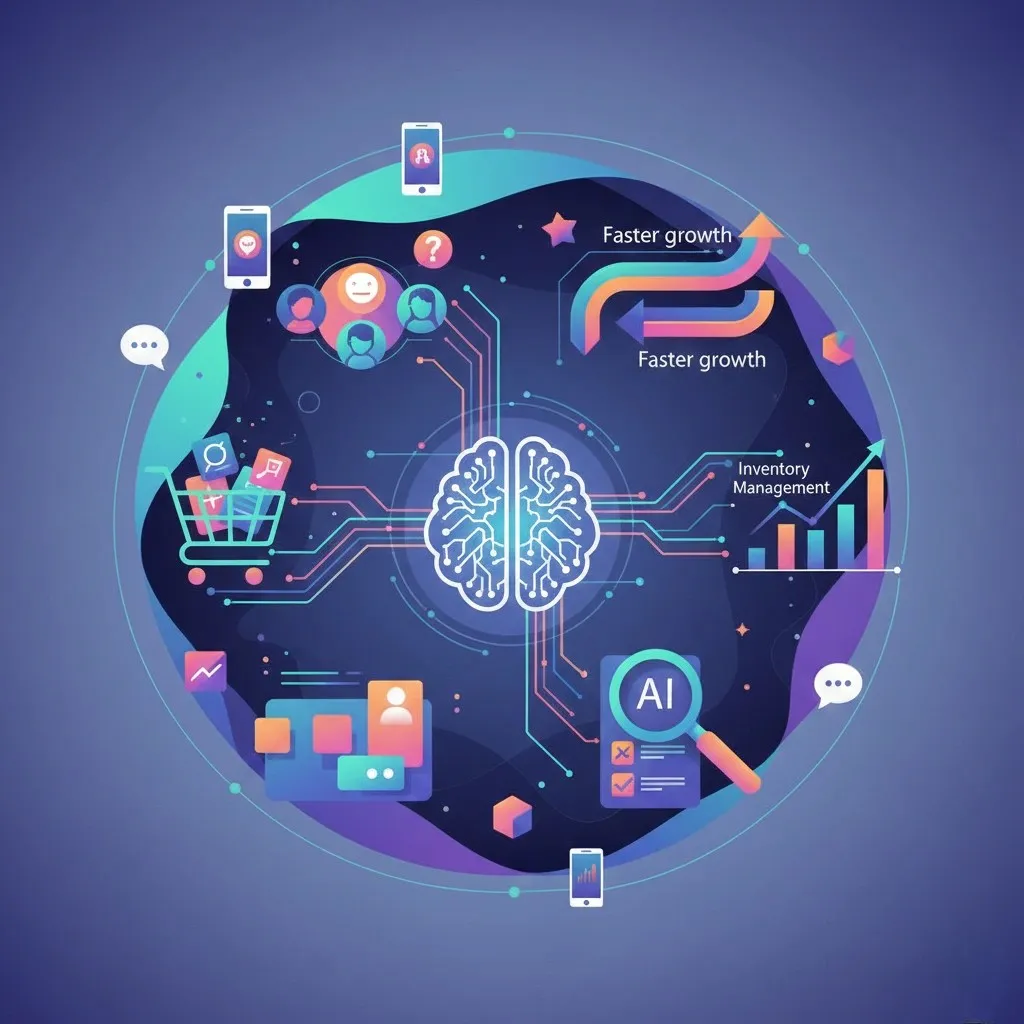
AI has moved from experimentation to everyday usage in development environments. From code assistance to testing and optimization, AI tools are now embedded in daily workflows.
Research insight:
AI use in software development has grown significantly over the last few years. According to the Stack Overflow 2025 developer survey, 78.5 percent of engineers already use AI tools in the software development process, with almost one in two (47.1 percent) using them daily. This clearly shows that AI is arguably the broadest top software development technology for 2026 and beyond.
AI improves focus by reducing repetitive tasks and allowing developers to spend more time on problem solving and system design.
Cloud-Native Development Platforms
Why Cloud-Native Is Now the Standard
Cloud-native development has become the foundation for modern software products. US-based startups and enterprises rely on cloud platforms to build applications that scale seamlessly.
Key benefits include:
Faster deployment cycles
Improved collaboration for remote teams
Cost-efficient infrastructure management
Cloud-native tools support both innovation and operational stability, making them essential for sustainable growth.
Modern Programming Frameworks and Languages
Focus on Productivity and Maintainability
Developers today prioritize frameworks and languages that reduce complexity while improving performance. Modern ecosystems emphasize clean architecture, modularity, and long-term maintainability.
Popular characteristics include:
Strong community support
Built-in security features
Compatibility with cloud and AI tools
This focus allows teams to stay productive without sacrificing code quality.
DevOps and Automation Technologies
Automation as a Development Standard
DevOps practices continue to shape how software is built and delivered. Automation in testing, deployment, and monitoring has become a core requirement rather than a competitive advantage.
Automation supports:
Faster release cycles
Fewer human errors
More predictable delivery timelines
For businesses targeting the US market, DevOps maturity often determines customer trust and reliability.
Cybersecurity-Focused Development Tools
Security Integrated Into Development
As digital products grow, security risks grow with them. Modern development technologies now integrate security throughout the software lifecycle.
Key focus areas include:
Secure coding practices
Automated vulnerability scanning
Identity and access management
Security-aware development protects both business reputation and user data.
Low-Code and No-Code Development Platforms
Expanding Who Can Build Software
Low-code and no-code platforms are helping businesses prototype and launch internal tools faster. While not a replacement for traditional development, these platforms support innovation and experimentation.
They are especially useful for:
Rapid MVP development
Process automation
Reducing backlog pressure on core engineering teams
Data-Driven Development and Analytics Tools
Turning Data Into Better Software Decisions
Modern software development relies heavily on analytics and feedback loops. Data-driven tools help teams understand how users interact with products and where improvements are needed.
These insights support:
Better feature prioritization
Improved user experience
Smarter long-term planning
Data enables teams to build software with confidence instead of assumptions.
The Human Side of Software Development Technology
While tools continue to evolve, human focus remains limited. The most successful teams use technology to support clarity, not distraction.
Effective technology adoption:
Protects deep work
Reduces unnecessary complexity
Encourages sustainable work habits
Technology should empower developers, not overwhelm them.
Why These Technologies Matter for the US Market
In the United States, businesses operate in a highly competitive digital economy. Customers expect innovation, reliability, and security. Software development technologies play a critical role in meeting these expectations.
Companies that succeed are those that:
Adopt AI responsibly
Build cloud-native systems
Automate intelligently
Invest in secure and scalable architectures
Conclusion
Software development technologies continue to reshape how digital products are built and delivered. From AI-driven development to cloud-native platforms and automation, these technologies form the foundation of modern software engineering.
For software companies and IT professionals targeting the US and global markets, staying informed and intentional about technology choices is essential. The future of software development belongs to teams that balance innovation with focus, productivity, and long-term vision.

.webp)