SCHEDULE A CALL
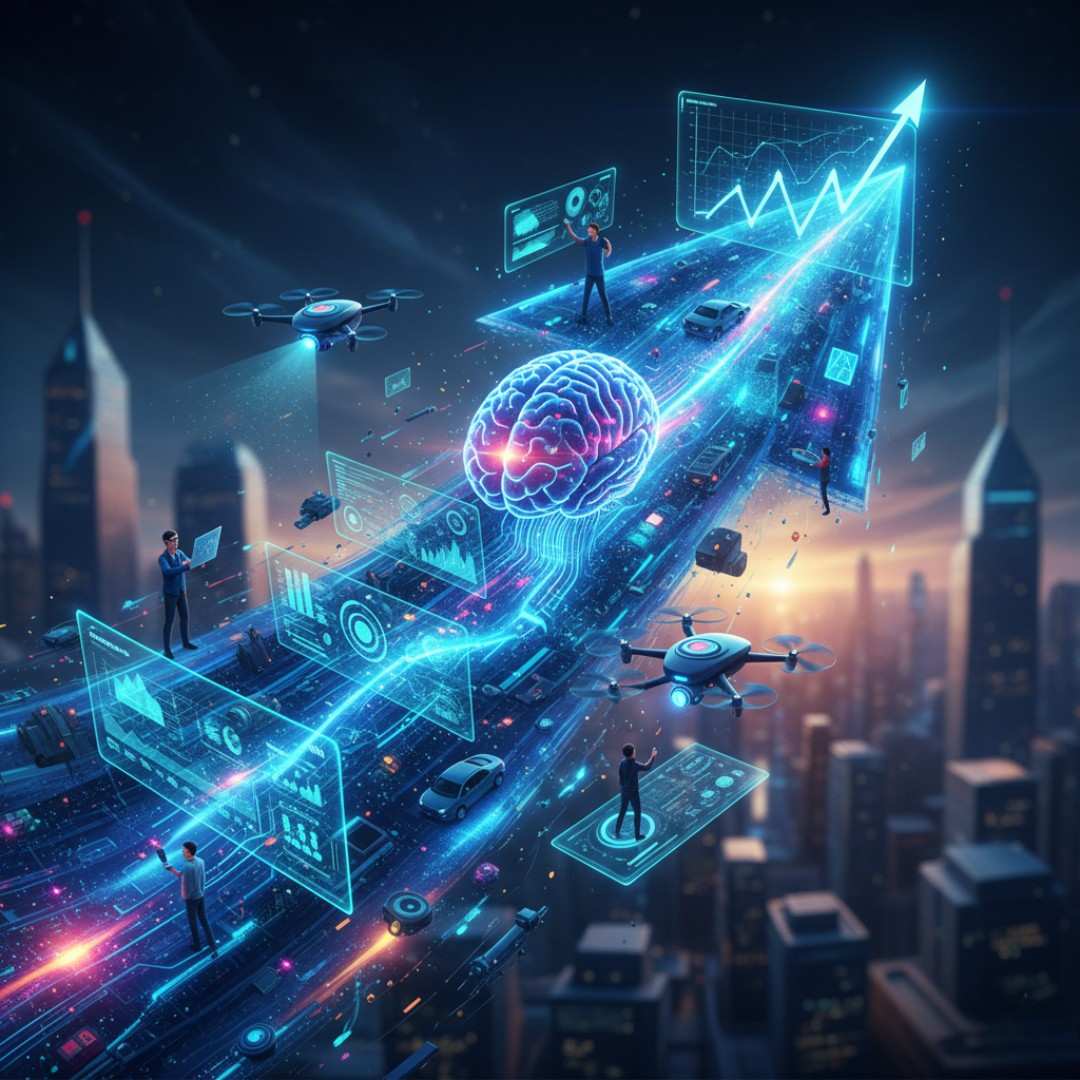

As 2025 comes to a close, conversations around technology are shifting from what is happening now to what comes next. One of the most searched questions online today is:
“What will technology look like in 2026?”
From artificial intelligence to automation and digital workspaces, people are eager to understand how fast-changing technologies will affect their jobs, businesses, and daily lives. This article explores the most talked-about technology evolutions expected in 2026, focusing on clarity rather than hype.
How Artificial Intelligence Is Expected to Evolve in 2026
From Automation to Collaboration
In 2026, AI is expected to move beyond simple automation toward deeper collaboration with humans. Instead of performing tasks independently, AI systems will increasingly support decision-making, creativity, and strategy.
This means AI tools will:
Assist professionals rather than replace them
Provide contextual suggestions
Adapt to individual work styles
Improve productivity without removing human control
Smarter, More Personalized AI Systems
Another major evolution involves personalization. AI tools will better understand user behavior and preferences, delivering more relevant outputs with less manual input. This evolution addresses one of the most common user concerns: “Why do AI tools still feel generic?”
Common Questions People Have About AI in 2026
Will AI Replace More Jobs in 2026?
This remains the most frequently asked question. The likely answer is that AI will continue to reshape jobs rather than eliminate them. Roles that involve repetitive or rule-based tasks may change significantly, while creative, leadership, and problem-solving roles will remain human-centered.
Will AI Become More Trustworthy?
Trust and transparency are major concerns. In 2026, more emphasis will be placed on explainable AI, systems that can clearly show how decisions are made. This helps users understand outcomes and reduces blind reliance on automated tools.
Technology Trends Businesses Are Preparing For in 2026
1. AI-Driven Business Intelligence
Businesses will rely more heavily on AI to analyze market trends, customer behavior, and operational performance. Instead of static reports, organizations will use dynamic dashboards that adapt in real time.
2. Hyper-Automation Across Departments
Automation will no longer be limited to IT teams. Marketing, finance, HR, and operations will use AI-powered workflows to improve efficiency and reduce manual work.
Cybersecurity Evolutions in 2026
AI vs AI Security Systems
As cyber threats become more sophisticated, AI-powered security tools will evolve to detect risks faster and respond automatically. Businesses will adopt predictive security models that identify vulnerabilities before attacks occur.
Privacy and Data Ownership Concerns
With growing reliance on data, individuals are asking: “Who owns my data in 2026?”
Expect stronger regulations, better consent frameworks, and more user control over personal information.
The Future of Work and Digital Life in 2026
More Human-Centered Technology
Technology in 2026 is expected to become less intrusive and more supportive. Tools will focus on reducing digital fatigue, improving mental focus, and encouraging healthier work habits.
Remote and Hybrid Work Evolutions
Workspaces will rely more on virtual collaboration platforms enhanced by AI, offering smarter scheduling, real-time translations, and automated documentation.
Skills People Will Need Moving Into 2026
Adaptability Over Expertise
Instead of mastering one tool, people will benefit more from learning how to adapt quickly. Curiosity and flexibility will matter more than technical perfection.
Human Skills Will Gain Value
Communication, emotional intelligence, and critical thinking will become more important as automation increases.
Conclusion
As we approach 2026, technology is not heading toward a fully automated world, but a more balanced one. AI and digital systems will continue to evolve, but human judgment, creativity, and ethics will remain central. Understanding these upcoming shifts helps individuals and businesses prepare with confidence rather than fear.
The future of technology in 2026 is not about replacement, it is about refinement, collaboration, and smarter design.