SCHEDULE A CALL


Every year, new trends shape the way companies operate, but 2026 will introduce one of the most powerful shifts in modern business: micro-automation.
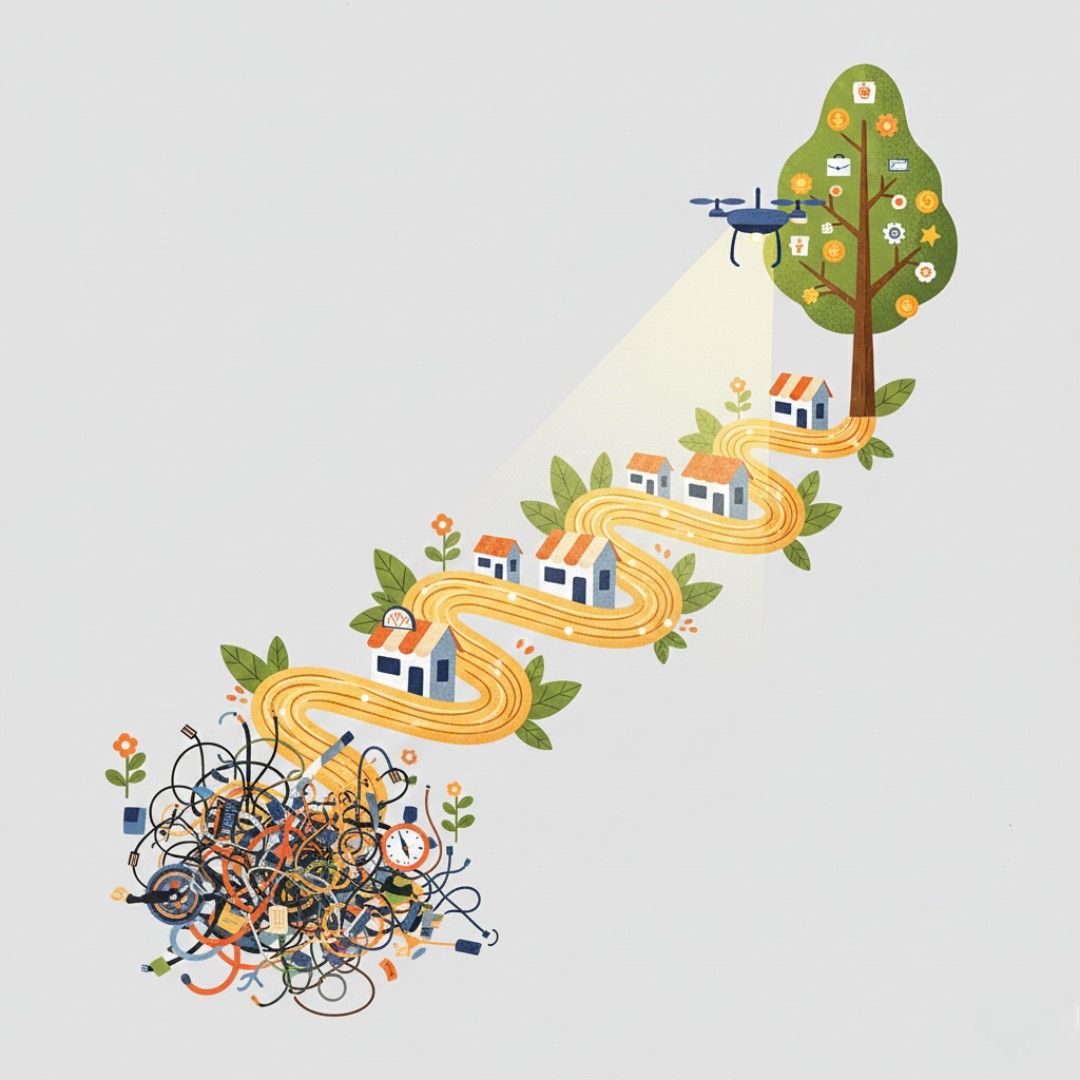
Unlike large-scale digital transformations that take months and huge budgets, micro-automation focuses on tiny, repeatable tasks that businesses automate to save time, reduce stress, and increase overall productivity.
From startups to global enterprises, leaders are now asking the same thing:
“How can we automate the small tasks that slow us down every day?”
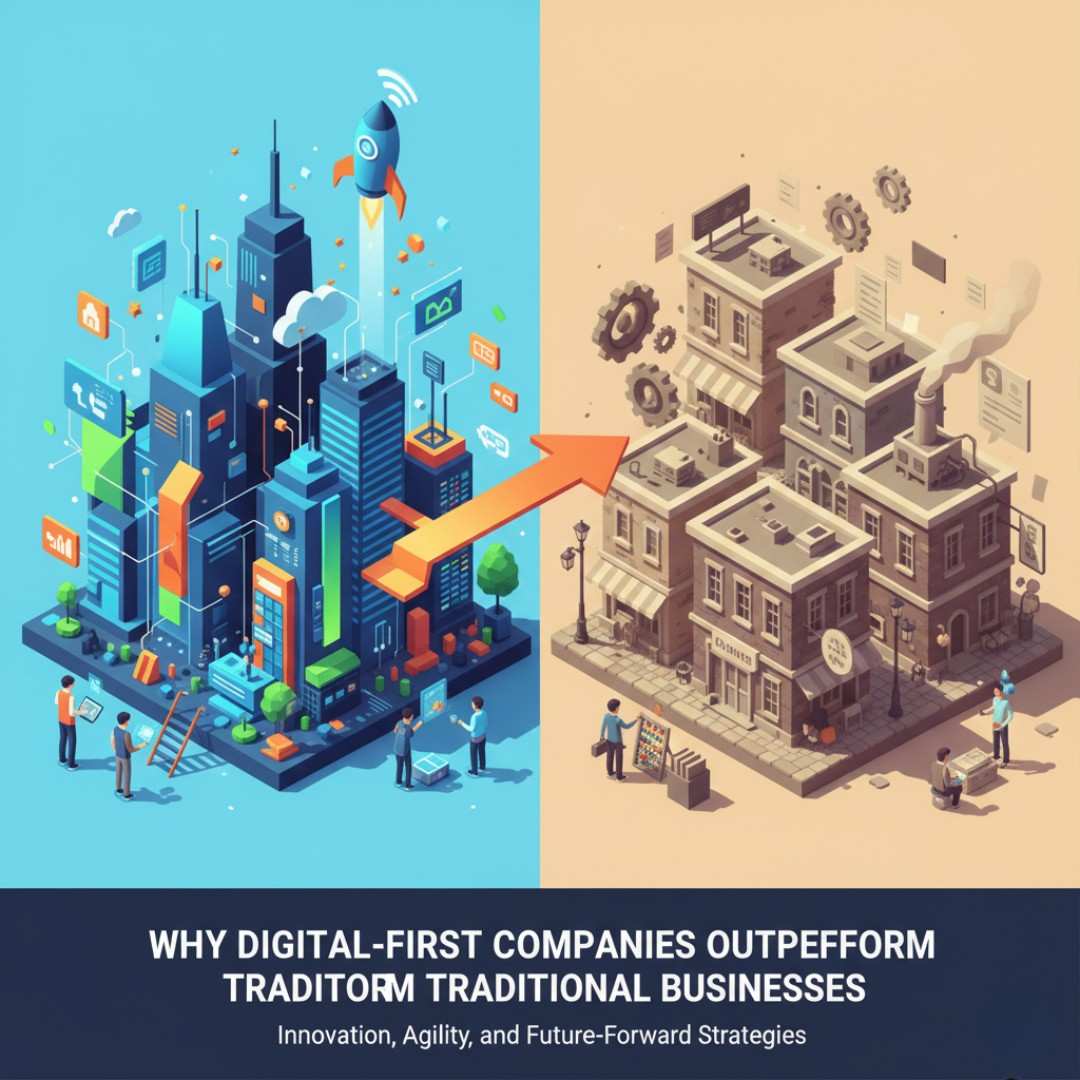
This trend is rising fast and transforming how businesses work, grow, and compete in a digital-first economy.
What Is Micro-Automation?
Micro-automation refers to small, targeted automations designed to simplify everyday business tasks. These are not giant, complicated systems; instead, they focus on eliminating repetitive activities such as:
Manual data entry
Follow-up reminders
Lead qualification
Scheduling
Repetitive reporting
Basic customer support queries
File sorting and documentation
When done right, micro-automation helps employees concentrate on meaningful work while machines handle the rest.
Why Micro-Automation Is Exploding in Coming Time?
1. Businesses Need Faster Decision-Making
The digital world moves quickly. Teams can no longer afford to spend hours on minor tasks when they should be solving real problems.
Micro-automation tools analyze data, send notifications, and trigger workflows instantly, reducing delays and improving decision-making across the entire organization.
2. Hybrid Work Makes Routine Tasks More Complex
Remote and hybrid work environments rely heavily on digital coordination. Micro-automation ensures tasks don't “fall through the cracks,” making collaboration smoother and more reliable.
3. AI Tools Are Now Accessible to Everyone
Small businesses used to struggle with automation due to high costs. But AI-driven micro-automation tools, such as Zapier, Make, Notion AI, and HubSpot workflows, are now affordable for even solo entrepreneurs.
This accessibility is one of the biggest reasons the trend is exploding.
How Micro-Automation Boosts Business Efficiency
Saves Hours Every Week
A 2024 productivity study revealed that employees spend nearly 40% of their time on repetitive tasks. Micro-automation eliminates this drain, helping teams regain hours of focus each week.
Reduces Human Error
Manual tasks increase the chance of mistakes. Automated workflows ensure accuracy and consistency, which is critical for:
Finances
Customer communication
Operations
Data management
Improves Customer Experience
When routine tasks are automated, teams can respond faster, deliver better service, and focus on creative problem-solving instead of administrative overload.
Enhances Employee Satisfaction
Removing boring tasks boosts morale. Employees feel more valued when they spend their time on strategic, purposeful work.
Real-World Business Cases of Micro-Automation
Retail Industry
Automated stock alerts, order confirmations, and customer follow-ups help retailers run smoother operations with fewer errors.
Service-Based Businesses
Agencies, consultants, and freelancers use micro-automation for appointment scheduling, invoicing, and onboarding.
E-Commerce
Online stores automate customer segmentation, email triggers, and cart reminders to increase sales effortlessly.
Corporate Teams
Large organizations automate repetitive internal workflows like HR approvals, IT ticketing, and finance documentation.
Is Micro-Automation Replacing Human Workers?
No, micro-automation is not about replacing jobs.
It is about supporting workers by removing tasks that waste time and creativity.
In fact, companies using micro-automation report higher employee retention and improved team satisfaction.
Future Trends: What’s Next for Micro-Automation?
AI-First Workflow Tools
More software will come built with AI automation as a default feature.
Personal Productivity Automation
Individuals will automate their schedules, notes, summaries, and reminders.
Predictive Automation
Tools will not only automate tasks, they will predict when tasks should happen.
Conclusion
Micro-automation is more than a trend, it is a turning point for businesses in coming 2026.
Companies that adopt small, meaningful automations unlock massive productivity, reduce stress, and accelerate their growth. As digital tools become smarter and more accessible, micro-automation is set to become a permanent pillar of modern business success.